I've been thinking a lot lately about the role of the architect in today's world. Ever since taking Olon Dotson's 4th World Theory course, I feel as though my eyes have been opened to the inequity existing in infrastructure of our own country, let alone others. I'm still exploring what that means and how I can do anything about it, and at a large scale what responsibility architects have as professionals to address it. What I am certain about, though, is that architects have to have some role. As members of a profession that shapes the built environment, in my opinion if you feel that affecting the lives of those around you is outside the scope of your work then you are entirely wrong. Inherent in our work is the impact it causes; whether that's the client, the users of the space, or the public at-large, ours is a career that cannot be separated from the community.
Nor should it.
As an engineer I swore an oath to uphold the health, safety, and welfare of the public and as an architect I will continue to do so. However, since learning about architecture my perspective on how I can achieve that has shifted somewhat. Before, my oath meant to me that in all of my work I would be thorough and diligent so that any aspect of a structure I designed would be sufficient to maintain its stability, lest I under-design an element that could cause a collapse and injure people. Now, I realize that my reach is lengthened; from a design perspective, I affect the health, safety, and welfare of the public by creating safe buildings but also in the way I create them. Everything I do in a design has the potential to impact someone, from the energy consumption and efficiency, to the materials used, to the construction cost, to the fees charged, to the client chosen.
Like I mentioned, I still am exploring how I personally would like to address the role of the architect, but I think that's they key. It's a very personal answer and only a personal answer, I think, and not one that necessarily needs to be reflected in the profession as a whole. That being said, I remember learning about the triple bottom line in my undergrad (People, Planet, Profit), and I truly believe you have to follow all three tenets if you want to have a good design. If all you care about is profit, then what you are producing isn't architecture to me.
Wednesday, April 30, 2014

Tuesday, April 15, 2014
Social Equity in Architecture
TEDx Talk by Mark Raymond: Innovative Architecture to Ensure Social Equity
Social Equity and Sustainable Design

In this blogpost, Hal Bolton brings up the concept of the "Triple Bottom Line" (i.e. people, profit, and planet) and reflects on what it means to be sustainable.
"How do we love all children of all species for all time?" -William McDonough
How can Cities Ensure Social Equity While Promoting New Development at the same Time?

In this short description of a thesis by Amanda Martin, it is pointed out that often new development is expected to help support local economies, but more often than not it does little or nothing to help low-income areas. She suggests that cities adapt the "sustainability" mantra to include social equity, and use new development projects to spur economic, health, and transportation needs of low-income communities as well. When planning for sustainability, community development organizations must research issues and align development impacts to alleviate these problems. She states the unlikelihood of "sustainability" helping improve broader ranges of people and space without a directed effort.

"What gets measured gets done."
Universal Design Education
http://www.udeducation.org/resources/64.htmlBuilding for People
Incorporating social justice into the design process may seem like one more item on an already lengthy to-do list, but the reality is that most projects already involve social components. Accomplishing social justice isn’t a matter of changing everything about a design but rather adjusting the way we look at the design decisions we make.
Tuesday, March 4, 2014
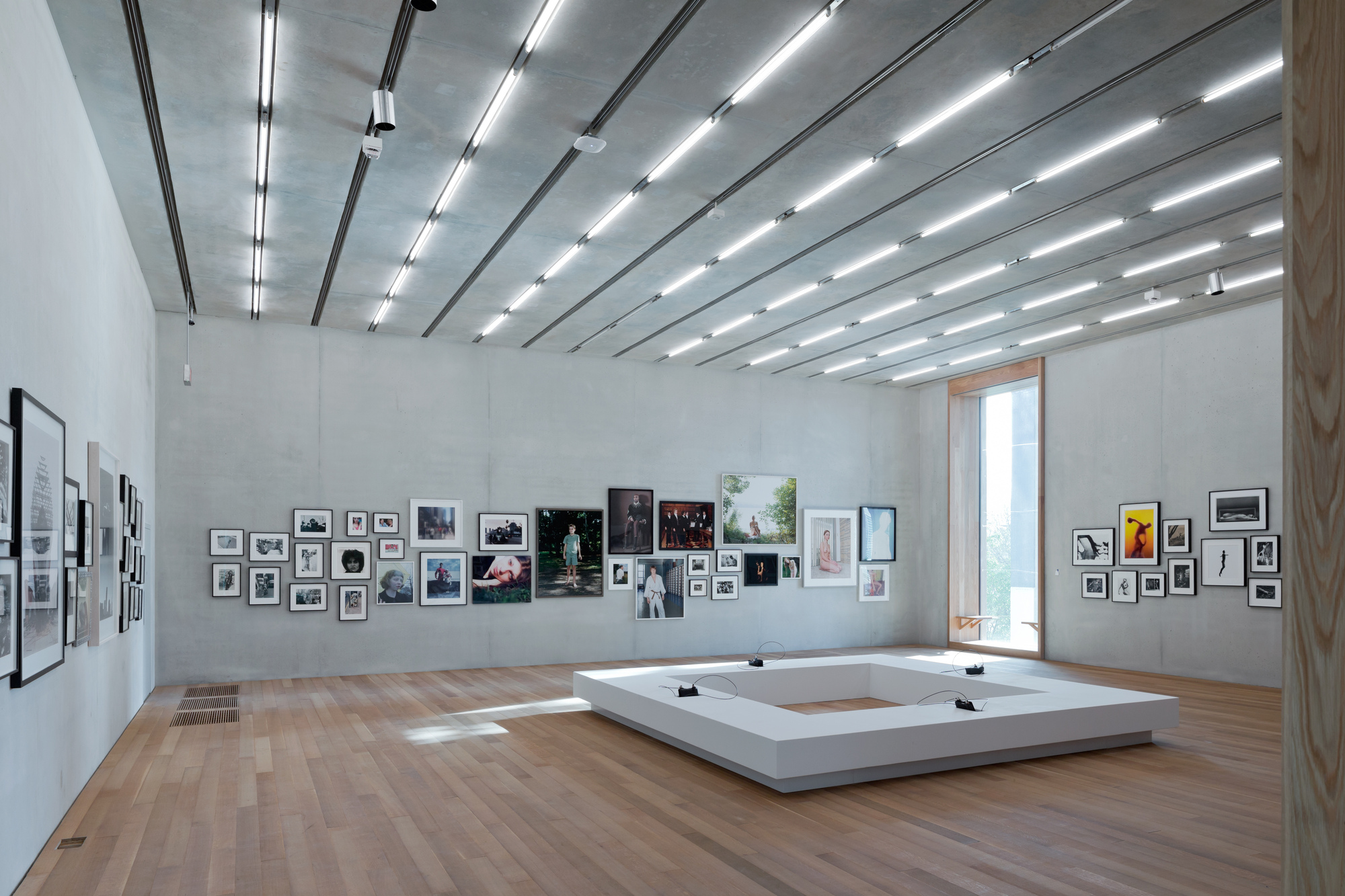
Comparing Pentimento House and Perez Art Museum Miami
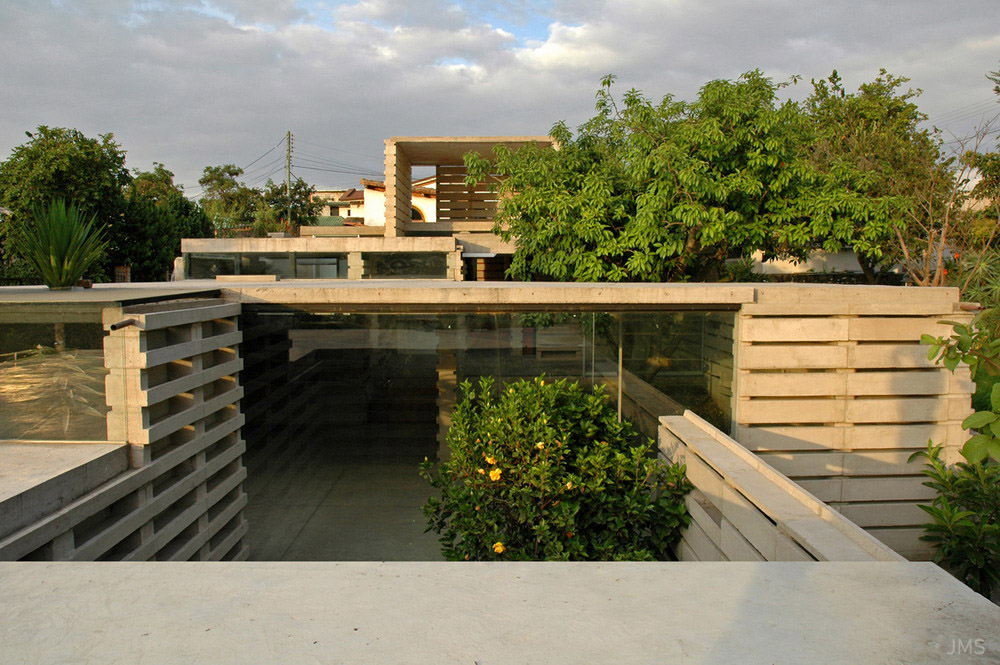 |
| Pentimento House |
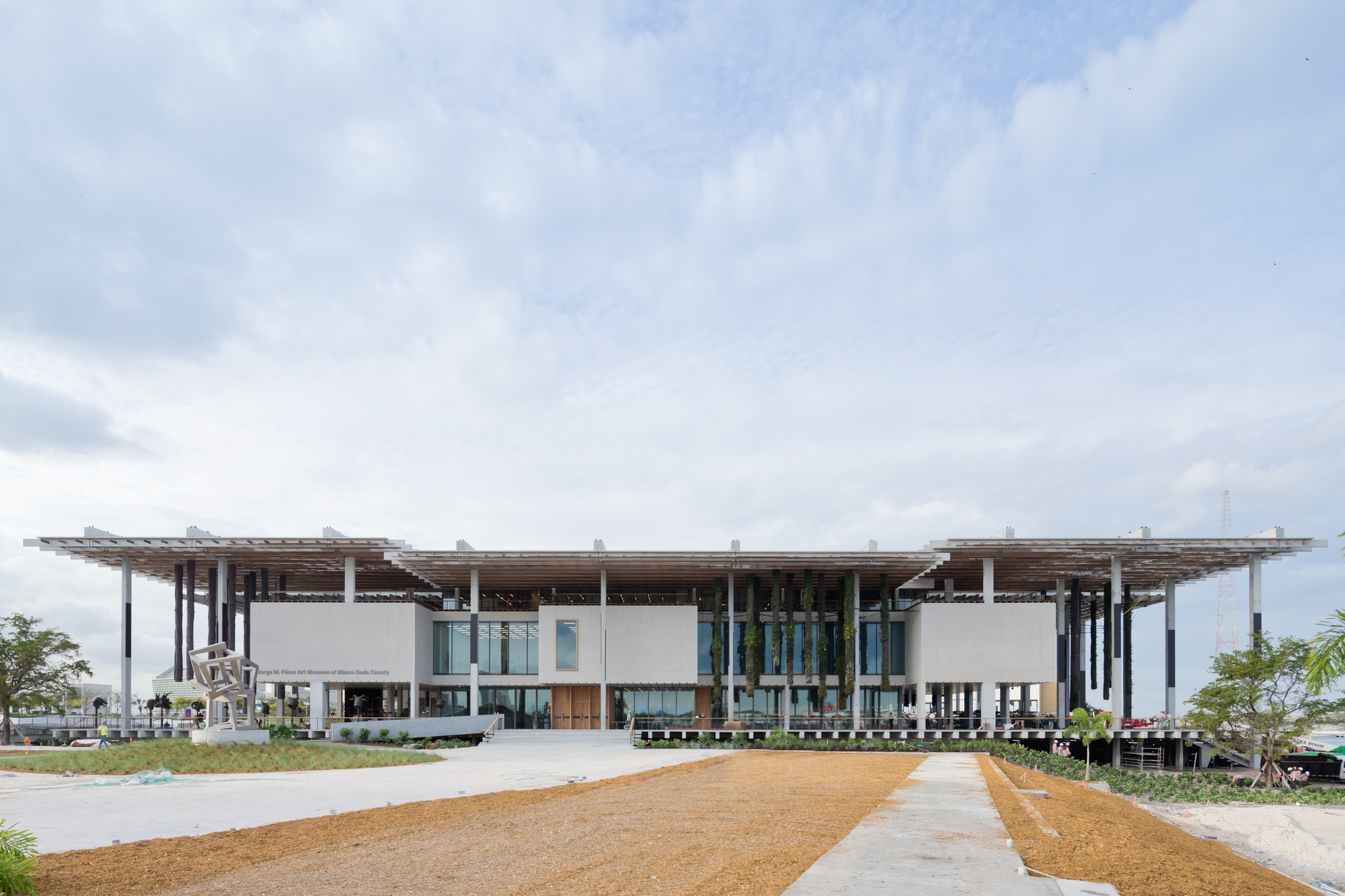 |
| Perez Art Museum Miami |
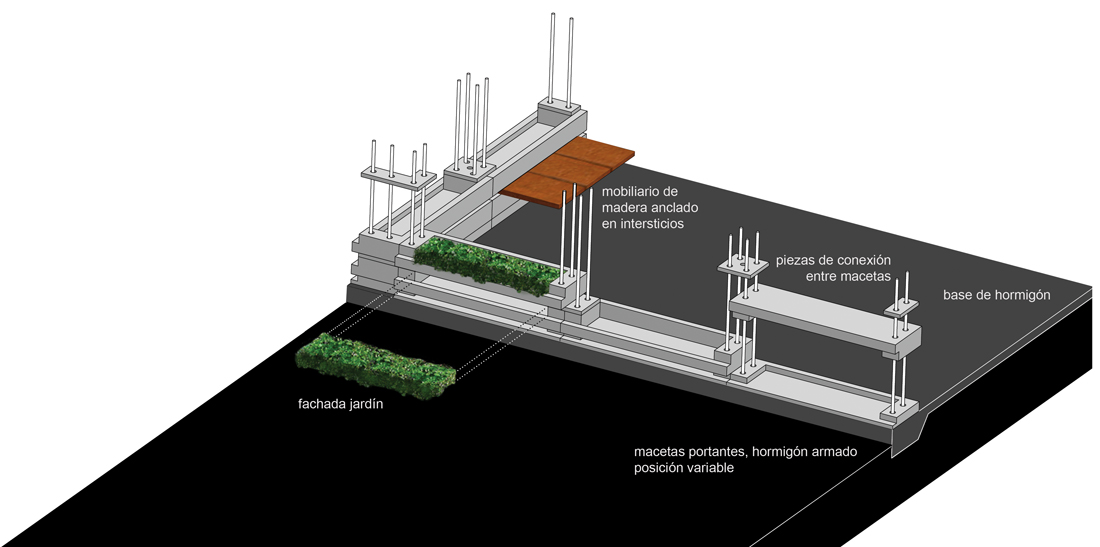
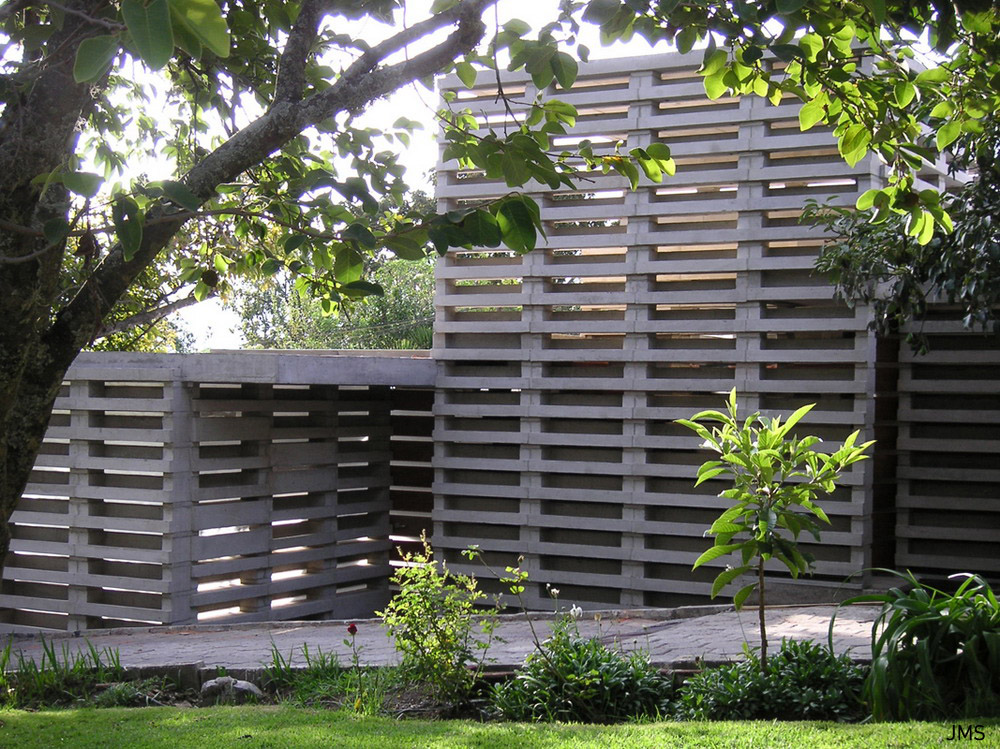
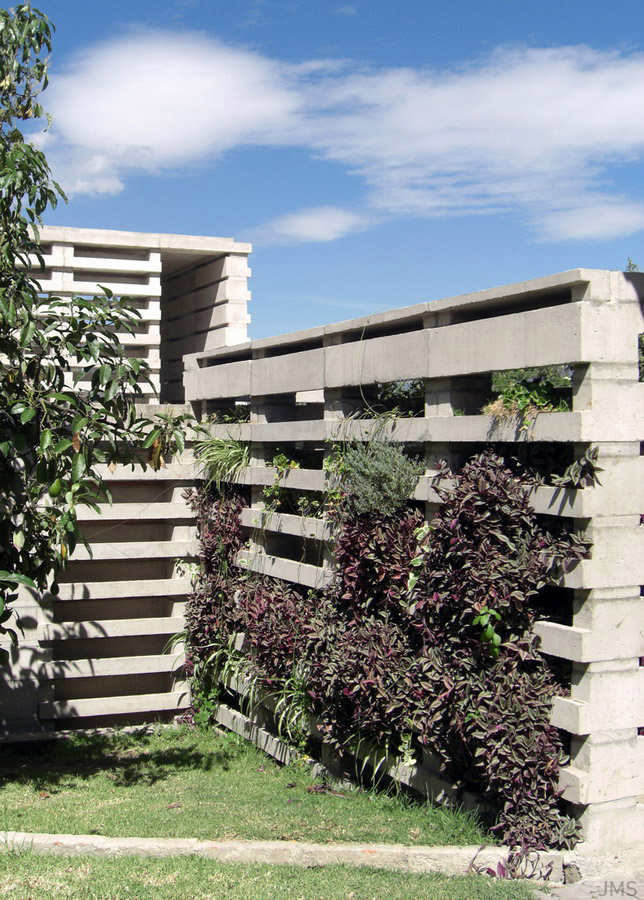
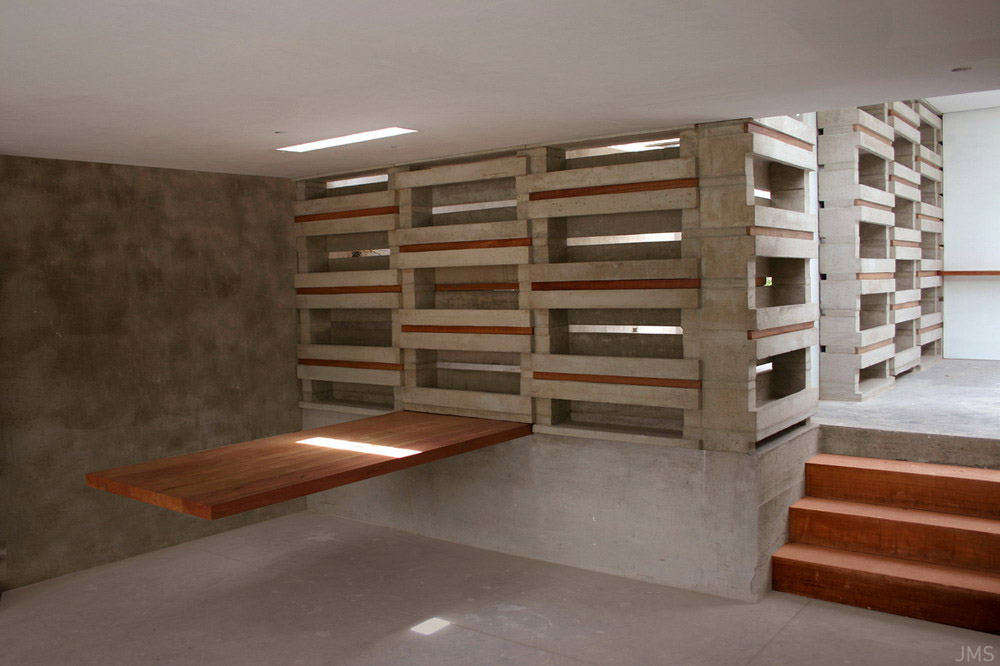
The Pentimento House
The Pentimento House is a series of prefabricated concrete modules which make up the entire structural system, as well as defining walls, furniture, ladders, and a garden facade. Each prefabricated piece connects to steel rods and stacks in various ways upon others, allowing this singular component to create a spectrum of views and uses. These elements produce both openings and enclosures, and the envelope is sealed through the use of transparent and translucent acrylic, as well as wooden strips. Part of the generative nature of the structure, the prefabricated concrete building blocks feature seams and interstices which allow for wood to be placed in them, resulting in steps, shelves, and tables, among other things. The stacked nature of these prefabricated blocks with their unique shape allows vegetation to grow up and onto the building as if they were a dynamic series of flower pots. The vegetation then acts in concert with the rest of the building materials to provide shading, while the seams and formation of acrylic and wooden strips align views, and the passage of air and light. The entire house, while appearing complex, is quite simple in its elegance, economy, and clarity of purpose. By stripping the house of accessory, it allows the construction and the connection to nature to be bold.
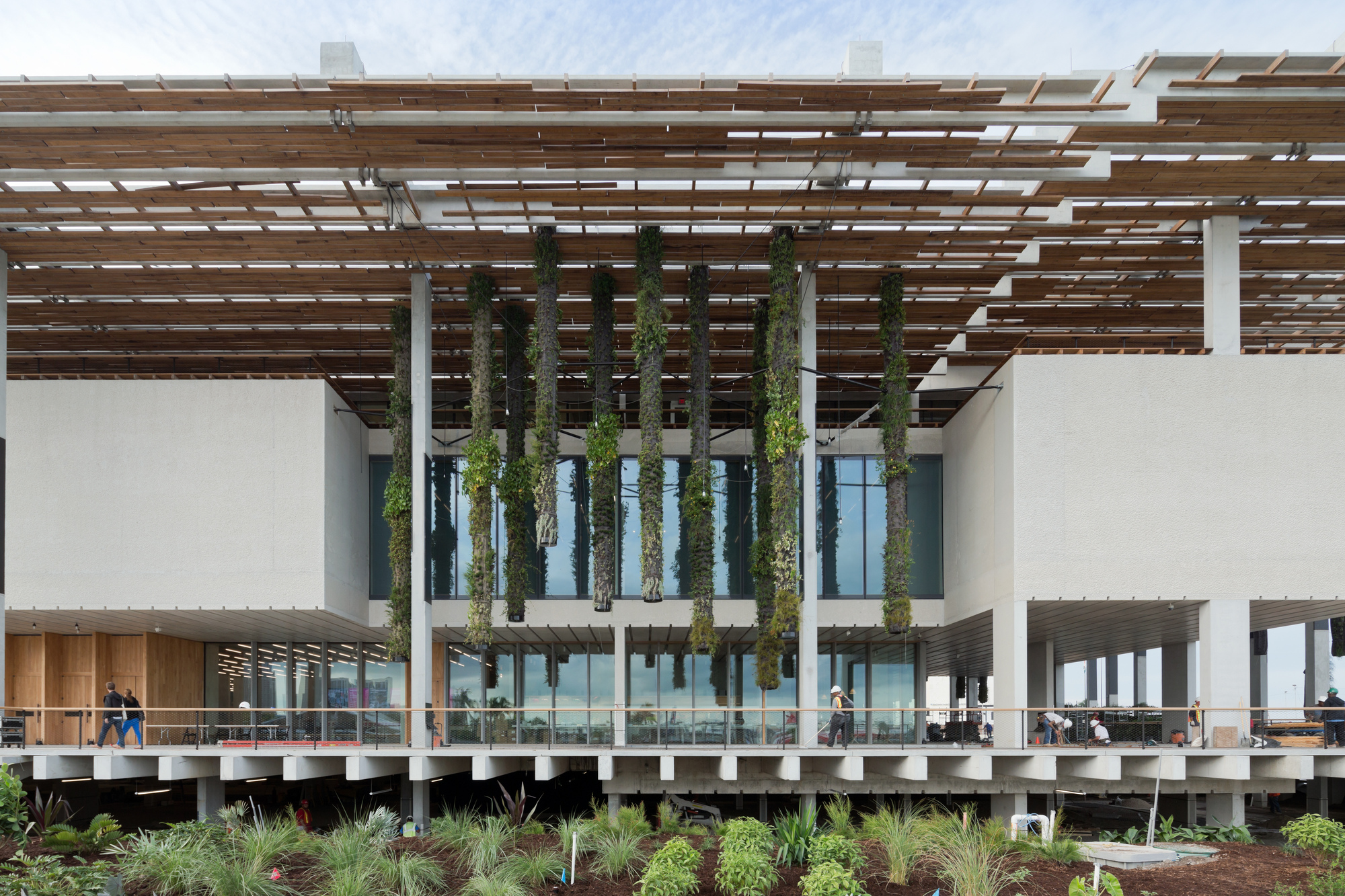
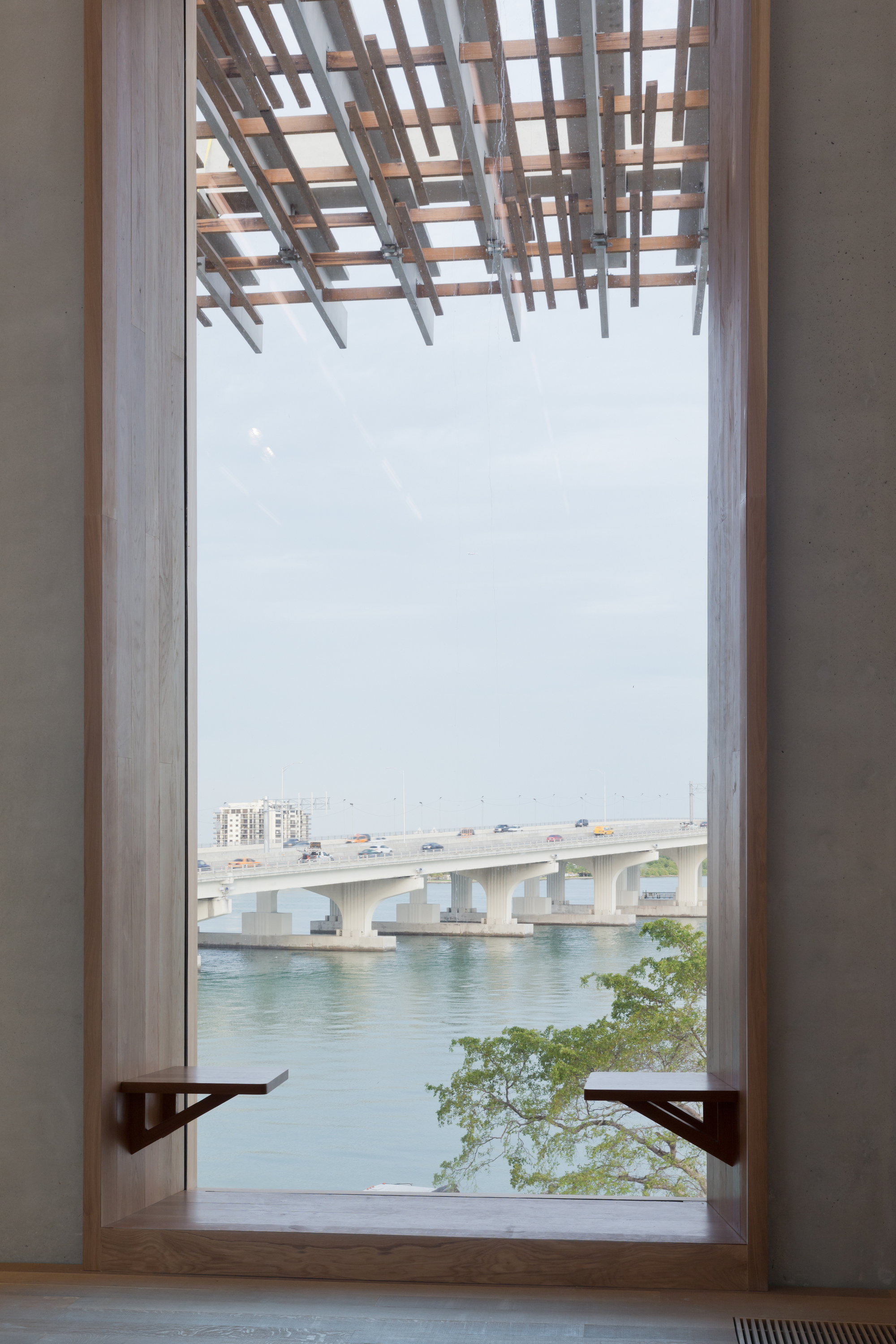
Perez Art Museum Miami
PAMM is an exploration of how lush vegetation and cultural diversity can be translated into architecture. Whereas the Pentimento House was built from a series of interlocking parts, PAMM is "formless," in that its purpose is to allow the permeation of light and views throughout the building so that it can create an endless variety of experiences. The large elevated boxes appear to puncture through the expansive canopy sitting atop thick concrete columns. Simultaneously there are several thinner columns that run straight up towards the canopy, and these columns support vertical garden systems to draw the vegetation into the public veranda. The concrete and canopy are also responses to the environment as it relieves heat, direct solar light, and shelter from the heavy storms. The interior is much more spartan, as it allows the user to focus wholly on the art displays.
Tuesday, February 25, 2014
Tuesday, February 11, 2014
Less Arrogance, More Empathy
Less ARROGANCE
More EMPATHY
My selection from the Less and More list by Rafael Gomez-Moriana is a basic perception of the world around you. Both within architecture and without, there is a great deal of arrogance that we could do without. I know I too often find myself abandoning humility when a stroke of pride comes along, but I try to remember how important it is to put yourself in someone else's shoes.
The Incomplete Manifesto for Growth outlines a considerable number of ways we can grow, not only as members of the design profession, but as people, and I think empathy appears on the list implicitly across many of the subjects. "Listen Carefully," "Power to the People," "Don't be Cool," and "Everyone is a Leader" are a few examples in which we can practice architecture with less arrogance. When I read As I Lay Dying by William Faulkner for the first time, I was struck by the seemingly obvious notion that we can never truly know another person like we know ourselves. However depressing or sad that message might be at first, part of what I took away from it is that even though it may be an endless task, it is no less important. As it states in the Manifesto, it's the process that's more important, not the outcome.
As architecture students, I feel we are failing to serve the public and failing to allow ourselves to grow if we don't listen and learn, allow others to take the lead on occasion, and ultimately try to look past our own bias. Olon Dotson's 4th World Theory course last summer helped me to realize how well-suited architects are to take a stand for social equity. As members of a profession that helps shape the world we all live in, it's important to remember that there are many others we are responsible for, and that we do not take that responsibility seriously if we aren't listening.
More EMPATHY
My selection from the Less and More list by Rafael Gomez-Moriana is a basic perception of the world around you. Both within architecture and without, there is a great deal of arrogance that we could do without. I know I too often find myself abandoning humility when a stroke of pride comes along, but I try to remember how important it is to put yourself in someone else's shoes.
The Incomplete Manifesto for Growth outlines a considerable number of ways we can grow, not only as members of the design profession, but as people, and I think empathy appears on the list implicitly across many of the subjects. "Listen Carefully," "Power to the People," "Don't be Cool," and "Everyone is a Leader" are a few examples in which we can practice architecture with less arrogance. When I read As I Lay Dying by William Faulkner for the first time, I was struck by the seemingly obvious notion that we can never truly know another person like we know ourselves. However depressing or sad that message might be at first, part of what I took away from it is that even though it may be an endless task, it is no less important. As it states in the Manifesto, it's the process that's more important, not the outcome.
As architecture students, I feel we are failing to serve the public and failing to allow ourselves to grow if we don't listen and learn, allow others to take the lead on occasion, and ultimately try to look past our own bias. Olon Dotson's 4th World Theory course last summer helped me to realize how well-suited architects are to take a stand for social equity. As members of a profession that helps shape the world we all live in, it's important to remember that there are many others we are responsible for, and that we do not take that responsibility seriously if we aren't listening.
 |
| This photo was taken in an abandoned factory in Detroit while on field trip for 4th World |
Thursday, February 6, 2014
Koyaanisqatsi
I don't know what I was expecting when the movie began, but I was certainly surprised. I didn't know anything about the movie other than Ana saying it was "dense," and she was absolutely right.

My first impression of Koyaanisqatsi was confusion. Like I said, I didn't know what the movie was about. I honestly thought that the time-lag video of various locations and actions was an extended introduction. I kept expecting someone to start speaking, and segue into a "plot," or some other documentary-type discussion on architecture. Instead, what we got was interesting in an entirely different way.
How would I describe the movie? We discussed this somewhat in class, and I said "ominous." By showing us all these high speed images of places and people going about their lives, it really gives you a sense of futility. It showcases "the daily grind," and, at least to me, makes you question the "point of it all." In the grand scheme of things, the tedium of these repetitive, monotonous activities are meaningless. At the same time, the cyclical nature of the movie shows how similar we are.
Tuesday, January 28, 2014
Architecture as a Value System
Something I've thought about occasionally, but haven't stopped and given due consideration, is my value system as it pertains to architecture. Not that I don't have one, but I believe it's still forming and largely unspecific. During class discussion on 1/21/14, what struck me most was how very passionate some of the opinions got when the subject matter was mostly generalization. We weren't using examples, at least in the beginning, but it was still evident that some of the participants in the discussion had very clear ideas about was or was not architecture, or whether a given building was good or bad architecture. I have my own opinions, so I don't mean to say that like it's a bad thing. Rather, it interested me how visceral some of the reactions were. The topic for discussion was about making money vs sticking to your values in regards to what makes "good" architecture. I guess I didn't have much of an opinion because I took a realistic approach to the topic. As an architect employed at a "typical" firm, you aren't going to have much say in what projects your firm accepts, and often, you may not have the luxury of choosing. What you do have control over is exerting yourself to design to the best of your ability. Apart from finding employment at a firm that caters exclusively to the type of work you prefer to do, really the only alternative is starting your own design firm where you have the freedom to accept certain types of jobs, assuming you can stay financially viable. I guess the question is, how important is it to you that you only receive jobs from clients who have high design in mind? In my opinion, that's a luxury, and you have to mediate it by pushing the envelope no matter what project you may be working on.
Subscribe to:
Posts (Atom)